Best Fruit Trees for Alabama
Alabama’s climate can support an impressive range of fruit, but the “best” fruit tree depends on where you live, your soil, your willingness to manage pests and disease, and how much winter chill your location receives.
Here are some of the strongest candidates for a backyard orchard.
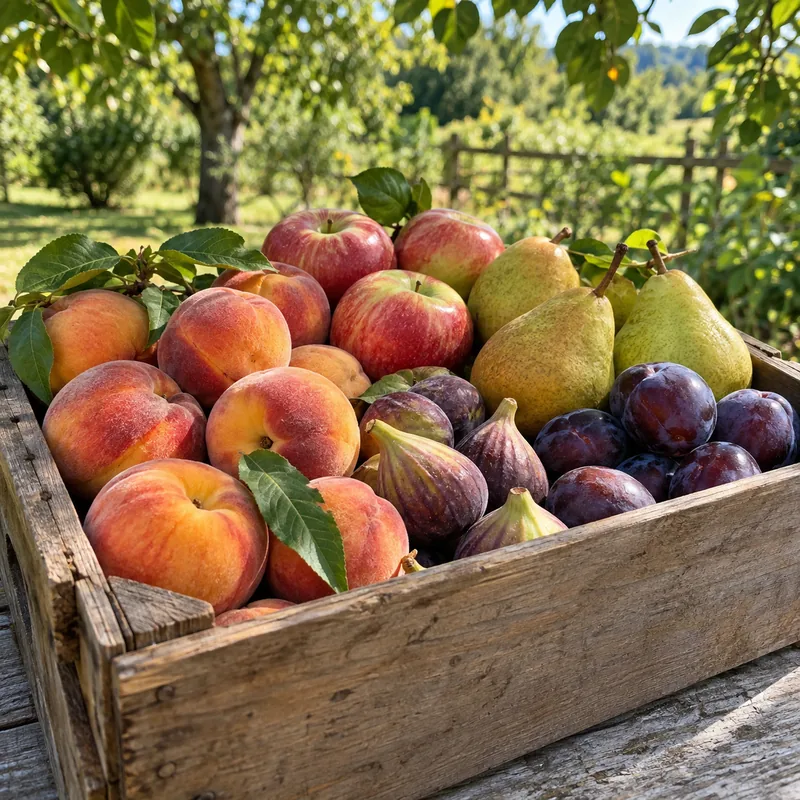
Figs
For many Alabama gardeners, figs are one of the easiest places to begin.
Why Grow Them
- Heat tolerant
- Relatively simple care
- Can produce heavily
- Useful fresh, preserved, or dried
Watch For
Hard freezes can damage top growth, especially in colder parts of the state.
Plant in a sunny, protected site with good drainage.
Pears
Pears can be a durable orchard choice when disease-resistant varieties are selected.
Why Grow Them
- Long-lived trees
- Good storage potential
- Can be productive
- Some varieties tolerate Southern conditions well
Watch For
Fire blight can be a major concern. Variety selection is important.
Peaches
Few fruits say Alabama summer quite like a ripe peach.
Why Grow Them
- Excellent fresh fruit
- Relatively quick to begin producing
- Many cultivars available
Watch For
Peaches require active management.
Expect pruning, fruit thinning, insect monitoring, disease management, and careful cultivar selection based on chill requirements.
Plums
Plums can grow very well in the South.
Why Grow Them
- Attractive spring bloom
- Manageable tree size
- Delicious fresh fruit
Watch For
Pollination requirements vary, and disease or insect pressure can be significant.
Apples
Apples are possible across much of Alabama, especially when varieties are selected for the local climate.
Why Grow Them
- Huge variety of flavors and uses
- Good storage potential
- Many rootstock sizes
Watch For
Apples can require more pest and disease management than beginners expect.
Chilling requirements and pollination compatibility matter.
Persimmons
Asian and native persimmons can be excellent landscape and orchard plants.
Why Grow Them
- Attractive trees
- Distinctive fall fruit
- Often fewer management headaches than some stone fruits
Watch For
Choose cultivars carefully and understand whether your selection is astringent or non-astringent when ripe.
What About Citrus?
Cold hardiness is the limiting factor.
Some cold-tolerant citrus can work in protected locations in the warmer parts of Alabama, but hard freezes make citrus much less dependable farther north.
Treat citrus as a location-specific choice rather than a statewide recommendation.
Don’t Forget Perennial Fruits That Aren’t Trees
Some of Alabama’s best backyard fruit crops aren’t fruit trees at all.
Consider:
- Rabbiteye blueberries
- Blackberries
- Muscadine grapes
These crops may outperform traditional tree fruits in some home landscapes.
Choose Cultivars, Not Just Species
Don’t walk into a nursery and buy “a peach tree.”
Ask:
- What cultivar is it?
- What rootstock is it on?
- What is its chilling requirement?
- Is it recommended for my region?
- Does it need a pollination partner?
- What diseases is it resistant to?
- How large will it become?
Easiest vs. Most Rewarding
For a low-maintenance beginner orchard, figs, selected pears, persimmons, blueberries, blackberries, and muscadines can be excellent choices.
Peaches and apples are worth growing, but go into them knowing they usually ask more from the gardener.
The best fruit is the fruit you enjoy enough to care for properly.