Protecting Plants from Late Frosts
Alabama spring weather can turn quickly.
A warm week may push plants into active growth just before a late cold front arrives.
Know Which Plants Are Vulnerable
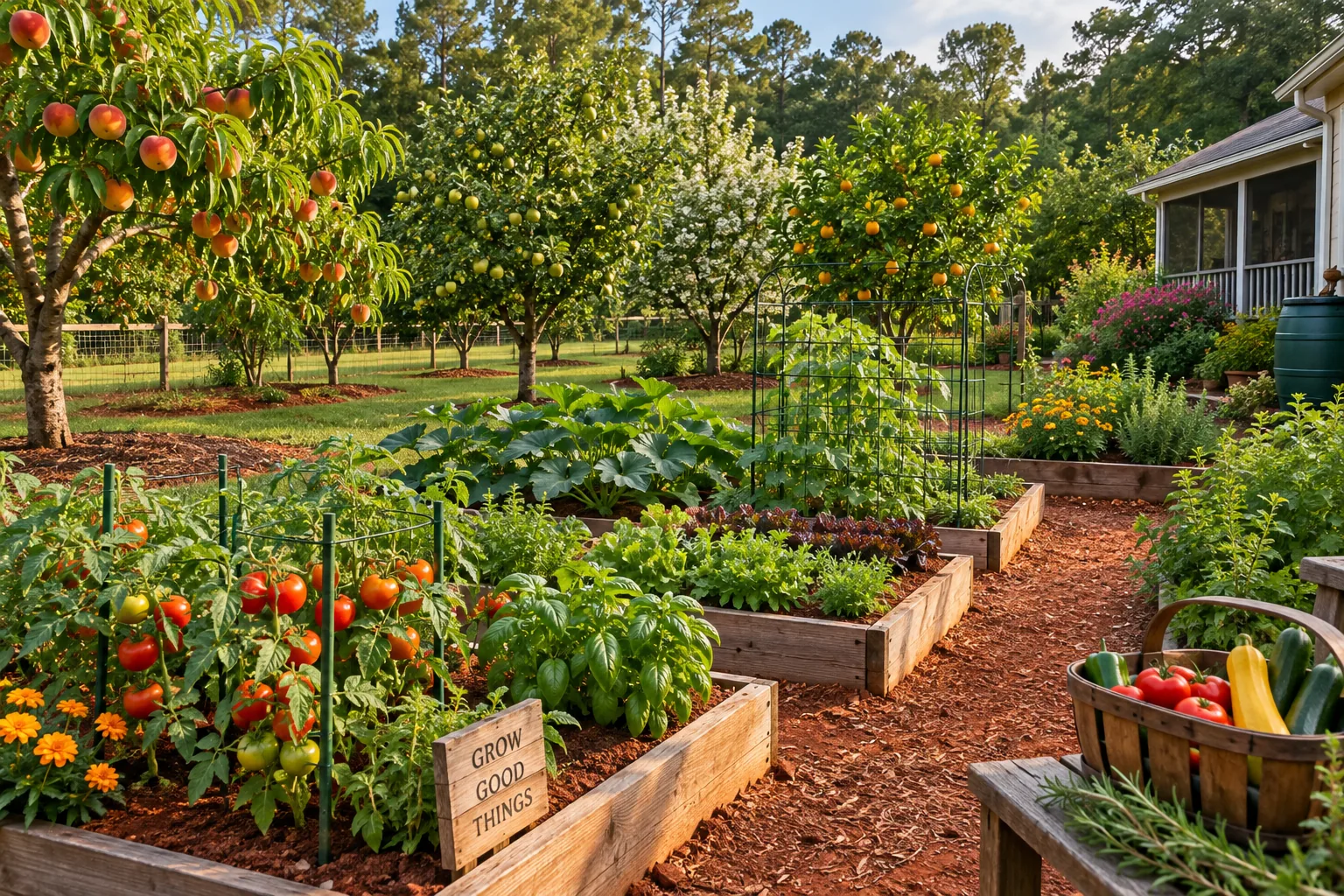
Warm-season crops are easily damaged by frost.
These include:
- Tomatoes
- Peppers
- Cucumbers
- Squash
- Beans
- Basil
Fruit-tree blossoms can also be extremely vulnerable.
Use Frost Cloth
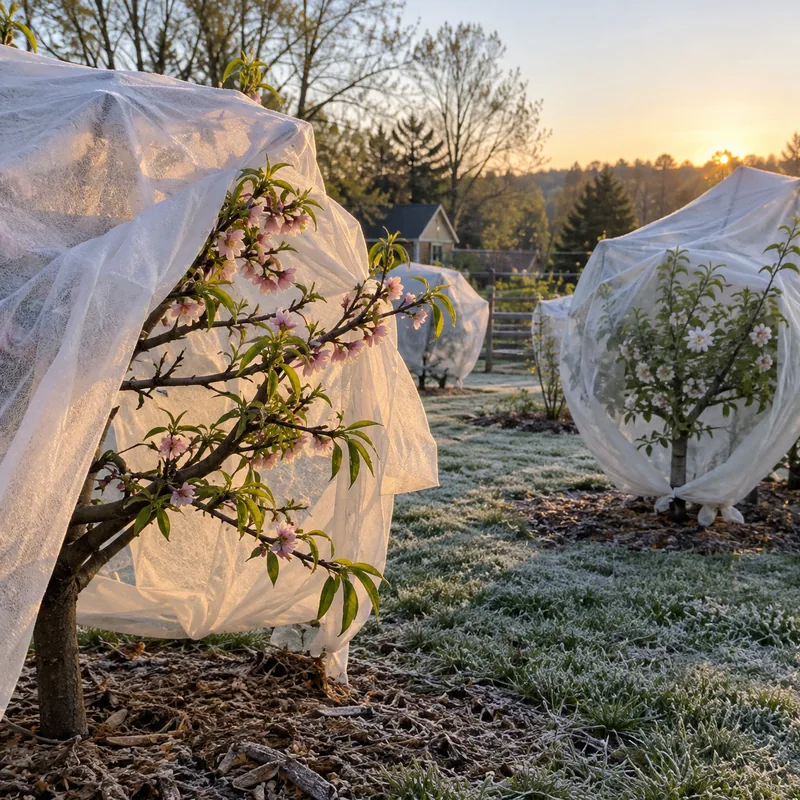
Floating row cover or frost cloth can provide several degrees of protection.
Support it above tender plants when possible.
Anchor the edges so cold air does not move underneath.
Avoid Plastic Directly on Leaves
Plastic conducts cold where it touches foliage.
If you use plastic, support it above plants and remove it during the day.
Water Before the Freeze
Moist soil holds heat better than very dry soil.
If soil is dry, water earlier in the day before the cold night.
Do not soak already saturated ground.
Cover Before Sunset
Trap some of the day’s ground warmth by covering plants before temperatures fall sharply.
Uncover During the Day
Remove covers once temperatures rise.
Plants still need:
- Light
- Airflow
Move Containers
Bring small containers into:
- Garages
- Sheds
- Covered porches
or move them against a warm wall.
Fruit Trees
Large fruit trees are difficult to cover.
For young or dwarf trees, frost cloth may help.
For mature trees, site selection and cultivar bloom timing matter more.
Don’t Rush to Prune Frost Damage
Wait a few days.
Damaged tissue becomes easier to identify after temperatures stabilize.
GardenGrowz Tip
Keep frost cloth on hand before you need it.
Trying to buy it the evening everyone else sees the same freeze warning is rarely a relaxing experience.