Companion Planting: What Actually Helps?
Companion planting is one of the most popular—and most overpromised—ideas in gardening.
You’ve probably seen charts claiming that one plant “loves” another while a third plant should never be allowed within ten feet.
The truth is more interesting.
Some plant combinations can help.
But many popular companion-planting rules are based more on tradition than strong evidence.
What Companion Planting Can Actually Do
Useful companion planting can help with:
- Using space efficiently
- Providing shade
- Supporting climbing plants
- Attracting beneficial insects
- Supporting pollinators
- Confusing or reducing some insect pests
- Acting as a trap crop
- Increasing plant diversity
Diversity Helps
Gardens containing several plant species can make it harder for some pests to locate their preferred host.
Flowering herbs and flowers can also provide food and habitat for predators and parasitoids.
Useful additions may include:
- Dill
- Cilantro
- Thyme
- Basil
- Sweet alyssum
- Sunflowers
- Native flowers
Basil and Tomatoes
This famous pairing has some research support for reducing certain insect problems, including thrips in some settings.
But basil does not magically prevent all tomato pests or diseases.
Grow it because:
- It fits well nearby.
- It attracts insects.
- You use it in the kitchen.
- It may contribute to a more diverse planting.
Flowers Near Squash
Squash depends heavily on pollination.
Flowering plants nearby can support bees and other beneficial insects.
Some studies have also found that plants such as nasturtiums, marigolds, or sweet alyssum can influence certain pest populations.
Results vary.
Trap Crops
A trap crop is more attractive to a pest than your primary crop.
The pest moves toward the trap crop instead.
This can work—but only if you monitor and manage the trap crop.
Otherwise, you may simply grow extra insects.
Space-Saving Companions
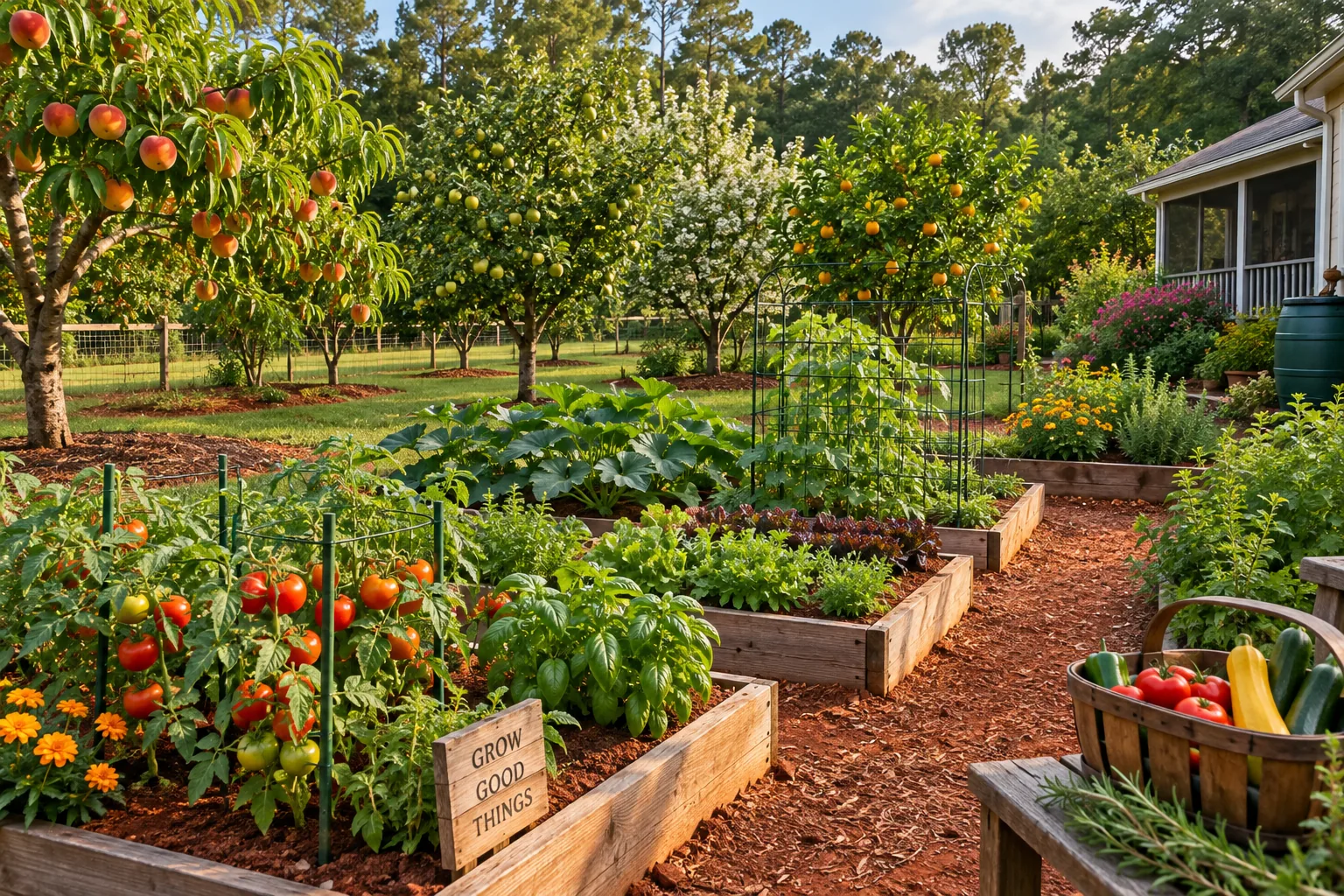
Some companion planting is simply good garden design.
Examples:
- Radishes between slower-growing vegetables
- Lettuce near taller crops that provide afternoon shade
- Low-growing greens beneath a trellis
- Vertical cucumbers beside short-rooted crops
These combinations use light and space efficiently.
What About Marigolds?
Marigolds are often advertised as universal pest repellents.
They are not.
Marigolds may help in some specific pest systems, and certain species can suppress some soil nematodes when used correctly.
But planting one marigold beside a tomato does not create a force field around the garden.
Three Sisters
Corn, beans, and squash are a famous traditional polyculture.
The basic concept is:
- Corn provides vertical support.
- Beans climb.
- Squash shades the soil.
It can work, but modern sweet corn varieties and vigorous bean varieties may not always behave perfectly in a small home garden.
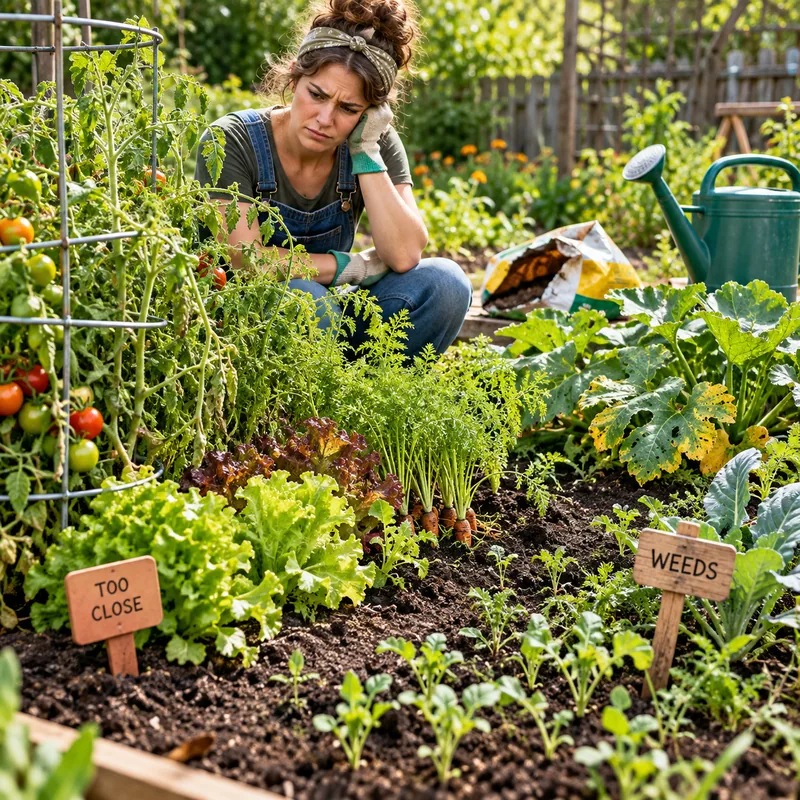
Don’t Ignore Competition
Two plants can both be beneficial and still compete.
Consider:
- Root space
- Water
- Nutrients
- Mature size
- Shade
Putting plants close together isn’t automatically beneficial.
What Actually Matters More?
For most home gardens, these practices have a larger effect than companion charts:
- Proper planting dates
- Good soil
- Correct spacing
- Consistent watering
- Crop rotation
- Pest identification
- Pollinator habitat
- Disease-resistant varieties
GardenGrowz Rule
Use companion planting as smart intercropping, not gardening superstition.
Ask:
What measurable benefit is this plant providing?
If you have a good answer, it’s probably worth trying.