Raised Beds vs. In-Ground Gardening
Raised beds are everywhere—and for good reason.
But that doesn’t mean every Alabama gardener needs them.
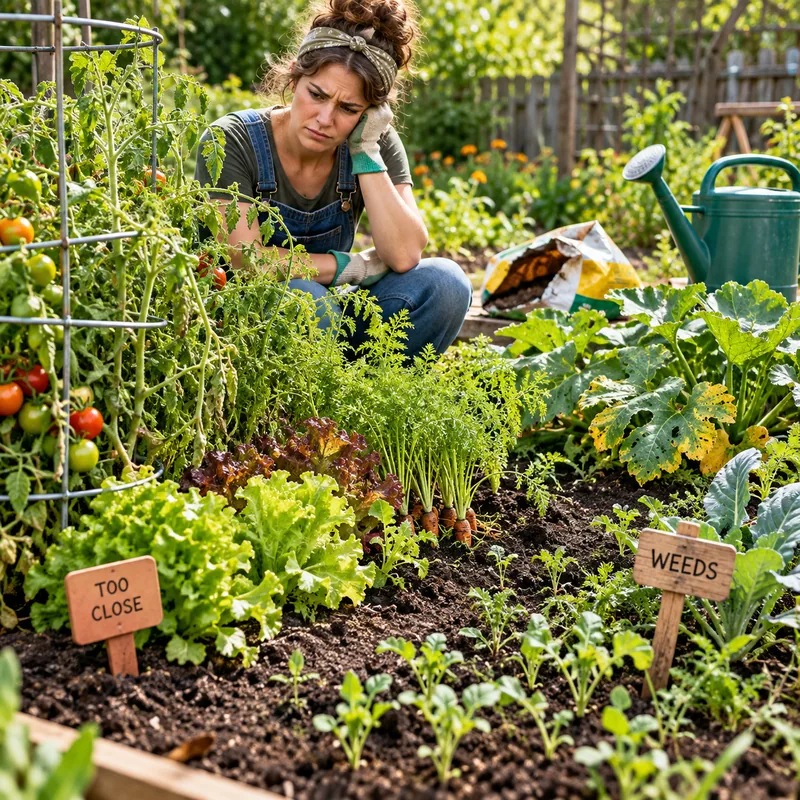
Both raised beds and in-ground gardens can be highly productive. The better choice depends on your soil, drainage, space, budget, and how you like to garden.
Raised Beds
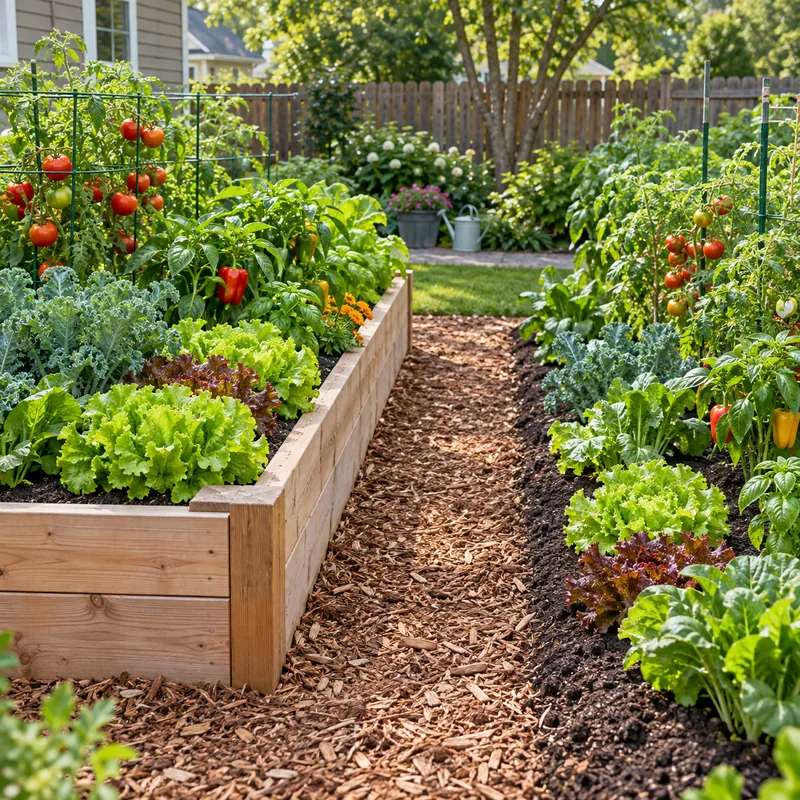
A raised bed elevates the growing soil above the surrounding ground, usually inside a frame.
Advantages
Raised beds can offer:
- Excellent drainage
- Control over the soil mix
- Less bending when built taller
- Clear garden boundaries
- Easier weed management
- Earlier soil warming in spring
- Good production in small spaces
- Less soil compaction because you never walk in the bed
They’re especially useful where native soil is rocky, compacted, poorly drained, or contaminated.
Disadvantages
Raised beds also have tradeoffs:
- Construction costs
- Cost of filling beds
- Faster drying during hot weather
- More frequent irrigation
- Limited room for sprawling crops
- Soil settling over time
- Potential difficulty rotating crop families in a small space
In Alabama summer heat, moisture loss is the big one.
In-Ground Gardens
An in-ground garden uses the native soil, usually amended over time with compost and other organic matter.
Advantages
- Lower startup cost
- Larger areas are affordable
- Soil usually dries more slowly
- Easier to grow corn, melons, pumpkins, and southern peas at scale
- Easier crop rotation
- No lumber or bed material to replace
Disadvantages
- Poor native drainage may be difficult
- Clay can be challenging when wet or compacted
- More initial soil improvement may be needed
- Beds can become compacted if walked on
- Garden boundaries may be less defined
Which Is Better for Alabama Clay?
If your clay drains adequately, you can create an excellent in-ground garden with time, compost, mulch, and careful soil management.
If water stands in the area after rainfall, raised beds can provide an immediate drainage advantage.
Which Uses Less Water?
Usually, in-ground soil retains moisture longer.
Raised beds drain faster and can need more frequent irrigation during Alabama’s hot summers.
Drip irrigation and mulch make either system easier to manage.
Which Is Cheaper?
In-ground wins.
A shovel, compost, seeds, and a hose can get you started.
Raised beds require materials plus enough soil mix to fill them.
Which Is Easier Physically?
A taller raised bed can be much easier on knees and backs.
Just remember that very tall beds require a substantial volume of material to fill.
Can You Use Both?
Absolutely.
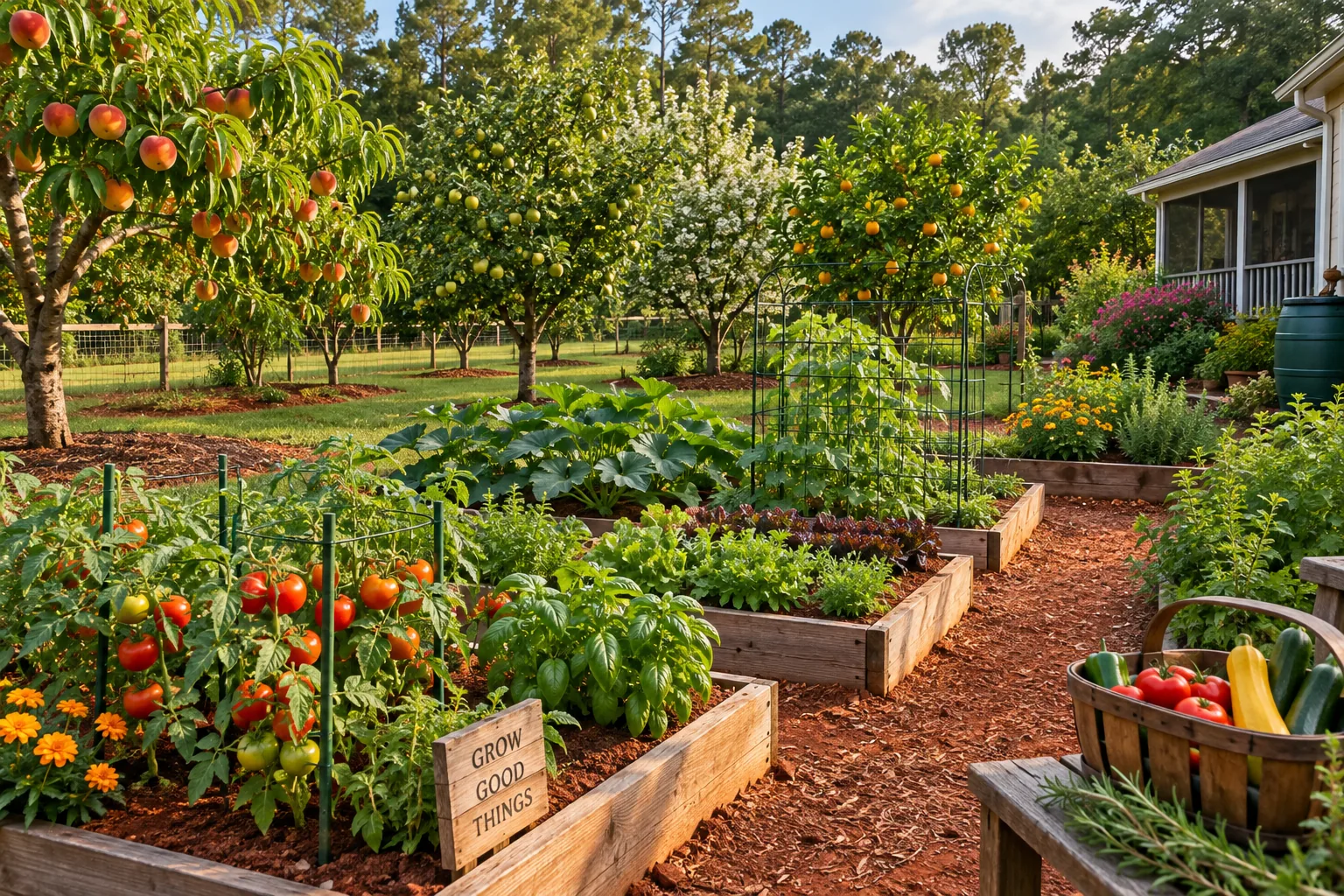
A hybrid garden is often ideal:
- Raised beds for herbs, lettuce, carrots, tomatoes, and peppers
- In-ground rows for corn, okra, beans, southern peas, squash, and melons
- Permanent orchard areas around the perimeter
- Containers near the house for frequently used herbs
You don’t have to join Team Raised Bed or Team In-Ground.
Use each where it makes sense.
GardenGrowz Verdict
Choose raised beds when drainage, soil quality, accessibility, or small-space organization is the priority.
Choose in-ground gardening when you have usable soil, want a larger garden, need lower startup costs, or grow crops requiring lots of space.
The best garden system is the one you’ll actually maintain.