Garden Planning for Beginners
The easiest gardens to maintain are usually planned before anything gets planted.
You do not need complicated software or a perfectly drawn map.
A simple plan can prevent most beginner problems.
Step 1: Decide What You Want to Grow
Start with vegetables your household actually eats.
Good beginner crops include:
- Tomatoes
- Peppers
- Green beans
- Cucumbers
- Lettuce
- Radishes
- Okra
- Herbs
Avoid planting twenty different crops just because seed packets are inexpensive.
Step 2: Choose the Location
Look for:
- 6–8+ hours of sunlight
- Good drainage
- Convenient water access
- Easy daily access
A garden near the house often receives better care than one hidden far away.
Step 3: Choose a Garden Style
Options include:
- Raised beds
- In-ground rows
- Containers
- A combination
Choose the style that fits your soil, budget, and available space.
Step 4: Measure the Space
Write down the dimensions.
This helps determine:
- Soil volume
- Number of plants
- Irrigation needs
- Path space
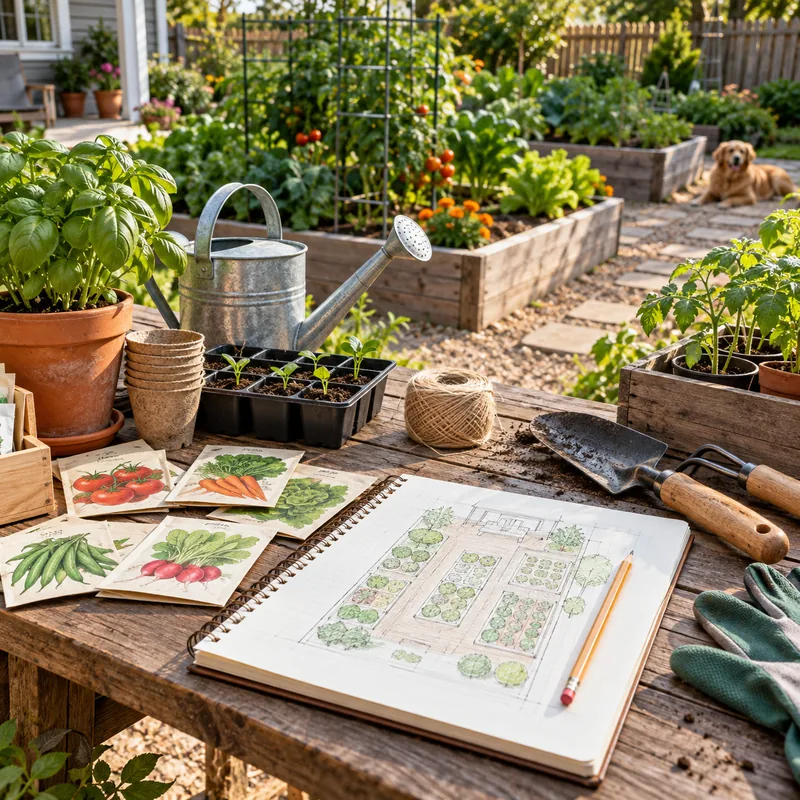
Step 5: Make a Simple Map
Draw each bed or row.
Mark:
- North
- South
- Tall crops
- Short crops
- Trellises
- Paths
Place taller crops where they are less likely to shade smaller plants.
Step 6: Check Spacing
Plant spacing matters.
Do not judge by the size of a transplant at the garden center.
Check mature spacing recommendations.
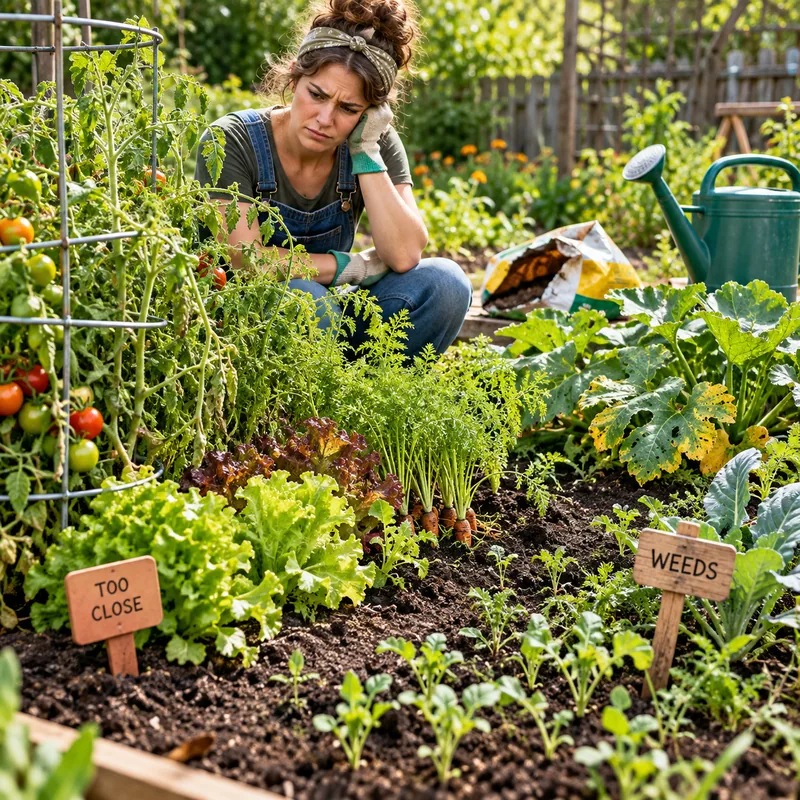
Overcrowding leads to:
- Poor airflow
- More disease
- Smaller harvests
- Harder maintenance
Step 7: Check Planting Dates
Alabama has multiple growing seasons.
Use appropriate planting windows for:
- Cool-season crops
- Warm-season crops
- Fall crops
Do not plant everything at once.
Step 8: Plan Irrigation
Decide how you will water before summer arrives.
Options include:
- Hose
- Watering wand
- Soaker hose
- Drip irrigation
Drip systems are especially useful for raised beds.
Step 9: Plan Support Structures
Install supports early for:
- Tomatoes
- Cucumbers
- Pole beans
- Peas
Trying to install a trellis after vines have taken over is unnecessarily difficult.
Step 10: Include Mulch
Plan to mulch after planting.
Mulch reduces:
- Weeds
- Water loss
- Soil splash
Step 11: Leave Some Space Open
Do not fill every inch immediately.
Open space gives you room for:
- Succession planting
- Replacement plants
- Unexpected purchases
- Fall crops
Step 12: Keep Records
Record:
- Planting dates
- Varieties
- Locations
- Harvests
- Problems
The first garden teaches you what the second garden should look like.
Beginner Garden Example
A simple first garden might include:
Bed 1
- 2 tomatoes
- 2 peppers
- Basil
Bed 2
- Bush beans
- Cucumbers on a trellis
- Radishes early in the season
Containers
- Herbs
- Lettuce
- Extra pepper
That is enough variety to learn without creating chaos.
GardenGrowz Tip
Planning does not remove surprises.
It simply makes the surprises easier to manage.