How to Choose the Best Location for a Garden
A garden can overcome many problems.
Bad soil can be improved.
Irrigation can be installed.
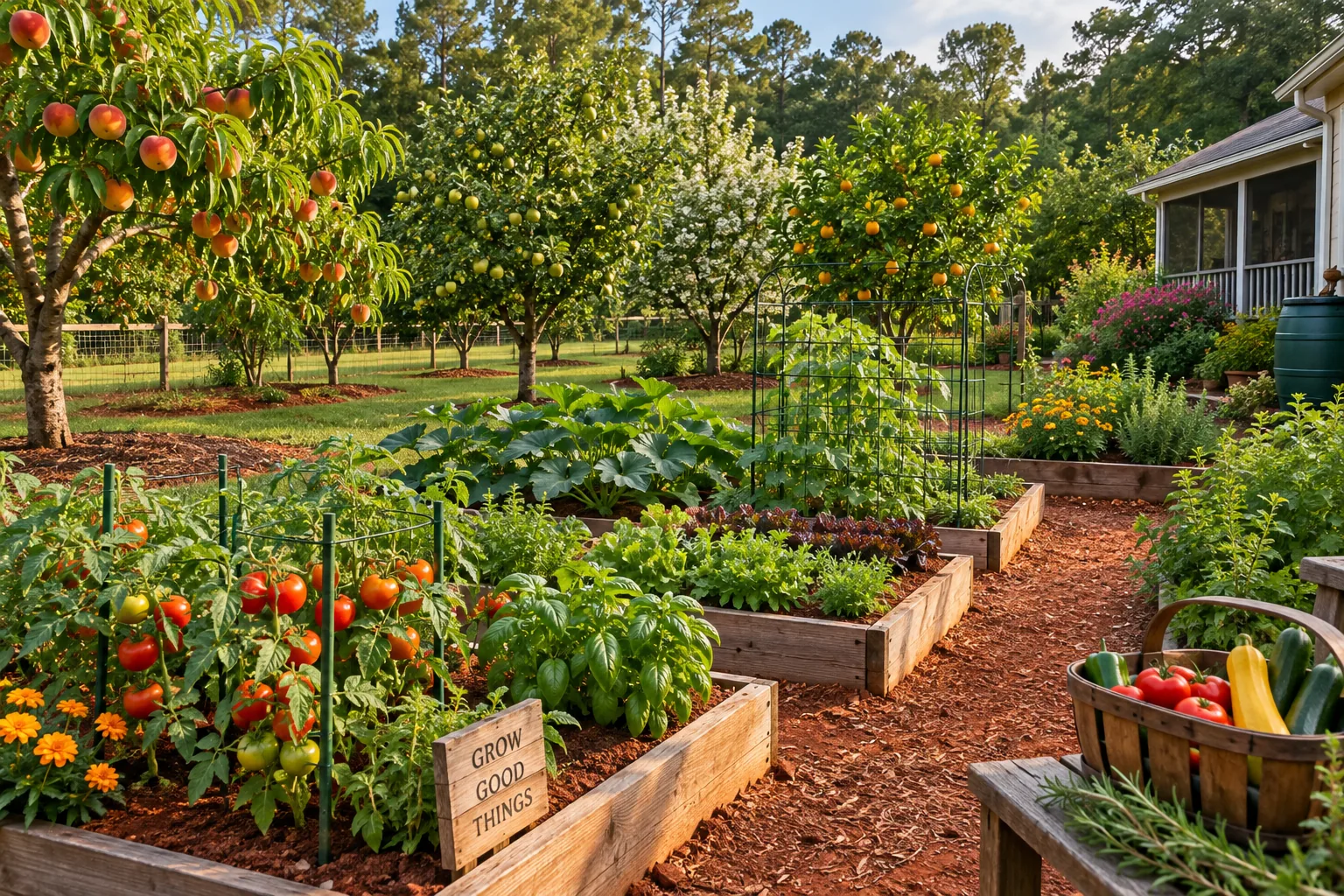
Raised beds can solve drainage issues.
But poor location choices are much harder to fix.
Before building beds or buying plants, spend time choosing the right site.
Sunlight Comes First
Most vegetables perform best with plenty of direct sunlight.
For fruiting crops such as:
- Tomatoes
- Peppers
- Cucumbers
- Squash
- Beans
- Corn
Aim for at least 6–8 hours of direct sun.
More is often better, especially outside the hottest part of summer.
Watch the Yard Before You Build
Spend a few days observing where sunlight actually falls.
Check:
- Morning
- Midday
- Afternoon
Remember that sun patterns change throughout the year.
A location that is sunny in March may be shaded in June after nearby trees leaf out.
Morning Sun Is Valuable
Morning sun dries dew and moisture from leaves.
That can help reduce conditions that favor disease.
In Alabama’s hot summers, a location receiving strong morning sun and some late-afternoon protection can sometimes perform well.
Check Drainage
After heavy rain, inspect the area.
Avoid places where water stands for long periods.
Vegetable roots need oxygen.
Constantly saturated soil can cause:
- Root rot
- Poor growth
- Nutrient problems
- Plant death
If the sunniest area drains poorly, raised beds may be useful.
Keep Water Nearby
The farther your garden is from a water source, the more annoying watering becomes.
This matters.
Convenient watering makes it much more likely that plants receive consistent care.
Try to locate the garden near:
- Outdoor faucet
- Irrigation line
- Rainwater collection system
- Easy hose access
Think About Convenience
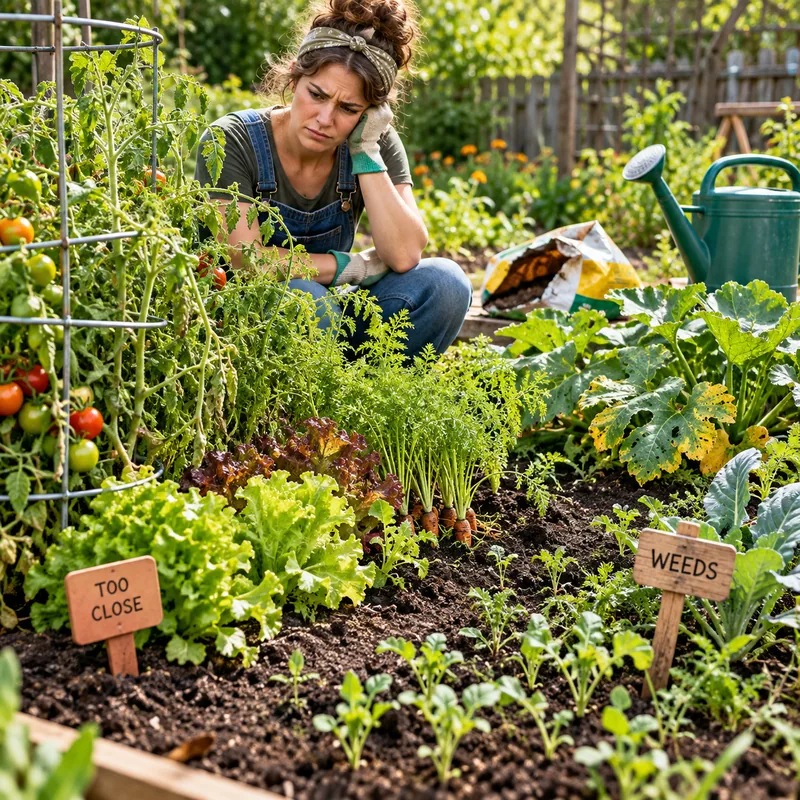
A garden you walk past every day gets more attention.
You are more likely to notice:
- Wilted plants
- Insect damage
- Ripe vegetables
- Weeds
- Irrigation problems
A garden hidden far behind an outbuilding may be forgotten until problems are already large.
Stay Away From Large Tree Roots
Large trees compete aggressively for:
- Water
- Nutrients
- Sunlight
Even if the garden is technically sunny, tree roots may make it difficult to maintain moisture.
Avoid Low Frost Pockets
Cold air settles into low areas.
A garden at the bottom of a slope may experience frost when a slightly higher area does not.
This can matter for:
- Early spring planting
- Fall harvest
- Fruit trees
Check Wind Exposure
Strong wind can:
- Dry soil
- Damage young plants
- Break tall crops
- Increase water demand
Some airflow is good.
Constant strong wind is not.
Use fences, shrubs, or structures carefully as windbreaks without creating deep shade.
Consider Wildlife
Think about:
- Deer
- Rabbits
- Squirrels
- Groundhogs
- Birds
If wildlife pressure is high, choose a location that can be fenced.
It is easier to design protection before planting than after animals discover the garden buffet.
Avoid Utility Problems
Before installing permanent raised beds, fencing, or irrigation, consider:
- Underground utilities
- Septic systems
- Drain fields
- Property lines
- Access routes
- Future construction
Soil Still Matters
If two locations receive equal sun, choose the one with better drainage and workable soil.
You can improve poor soil—but starting with decent soil is easier.
Use Containers When the Perfect Spot Doesn’t Exist
If your yard has limited sun, you may still grow food in:
- Containers
- Grow bags
- Patio planters
- Mobile raised beds
Containers can be placed exactly where the sunlight is best.
GardenGrowz Site Checklist
Before choosing your garden location, ask:
- Does it get enough sun?
- Does water drain well?
- Is irrigation convenient?
- Is it easy to reach?
- Are large tree roots nearby?
- Does cold air collect there?
- Can wildlife be excluded?
- Is there room to expand?
Choose the location first.
Build the garden second.