How to Build Your First Raised Garden Bed
Raised beds are one of the easiest ways to start gardening, especially if your native soil is heavy clay, compacted, rocky, or drains poorly.
They give you control over the soil, create a defined growing space, and make it easier to keep weeds and foot traffic out of the planting area.
The good news is that your first raised bed does not need to be complicated.
Start With the Right Size
A beginner-friendly raised bed is often:
- 4 feet wide
- 6–8 feet long
- 10–18 inches tall
The most important dimension is width.
Keep the bed narrow enough that you can reach the center from either side without stepping into the soil.
For most people, 4 feet wide works well.
If the bed is against a wall or fence and only accessible from one side, keep it closer to 2–3 feet wide.
Choose the Location First
Before buying lumber, make sure the location receives enough sun.
Most vegetables need:
- At least 6 hours of direct sunlight
- Preferably 8 hours for fruiting crops such as tomatoes and peppers
Also consider:
- Drainage
- Water access
- Convenience
- Wildlife pressure
- Tree roots
- Nearby shade
Choose the Material
Common raised-bed materials include:
- Cedar
- Cypress
- Untreated pine
- Composite lumber
- Metal beds
- Concrete blocks
Untreated pine is inexpensive but may not last as long as more durable materials.
Avoid questionable reclaimed wood that may contain unknown chemicals.
Do You Need a Bottom?
Usually, no.
A raised bed should normally sit directly on the ground so roots can grow deeper and water can drain naturally.
If grass is present, you can cover it with:
- Plain cardboard
- Several layers of newspaper
Then add soil on top.
Avoid plastic underneath the bed because it can interfere with drainage.
Build the Frame
For a basic wooden bed:
- Cut boards to length.
- Arrange them into a rectangle.
- Check that corners are square.
- Fasten corners with exterior-rated screws.
- Add corner posts if you want extra strength.
- Set the frame in place.
- Check that it sits level enough to prevent major soil movement.
You do not need cabinet-grade carpentry.
It needs to be sturdy, not fancy.
What Should You Fill It With?
A raised bed needs a balanced growing mix.
A practical blend includes:
- Good-quality topsoil
- Finished compost
- Organic matter
Avoid filling the entire bed with lightweight potting mix. It can become expensive and may dry too quickly.
Also avoid using only dense native clay.
How Much Soil Do You Need?
Calculate:
Length × Width × Depth = cubic feet
For example, a bed that is:
- 4 feet wide
- 8 feet long
- 1 foot deep
needs:
4 × 8 × 1 = 32 cubic feet
Divide by 27 to convert cubic feet to cubic yards.
That bed requires about 1.2 cubic yards of soil.
Don’t Overfill
Soil settles.
Fill close to the top but leave a little room for:
- Mulch
- Watering
- Future compost additions
Install Irrigation Early
Drip irrigation or a soaker hose is easier to install before plants fill the bed.
Raised beds often dry faster than in-ground soil, especially during Alabama summers.
Add Mulch
After planting, add mulch such as:
- Pine straw
- Shredded leaves
- Straw
- Fine wood mulch in appropriate situations
Mulch helps:
- Reduce weeds
- Preserve moisture
- Moderate soil temperature
What Should You Grow First?
For a beginner bed, try:
- Tomatoes
- Peppers
- Lettuce
- Radishes
- Bush beans
- Herbs
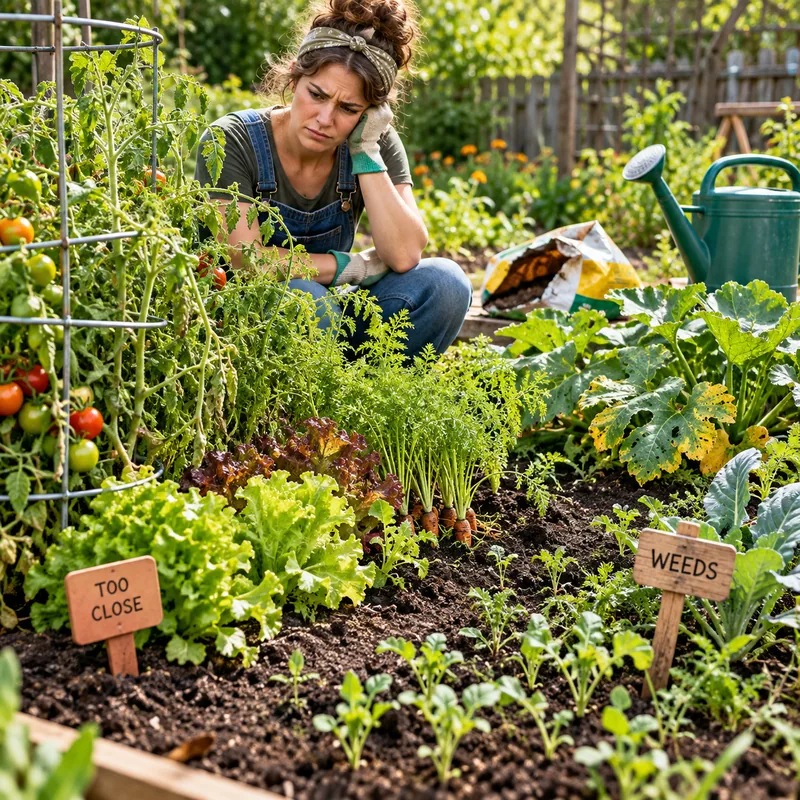
Avoid overcrowding.
It is very easy to put too many plants into a new raised bed because young plants look tiny.
They will not stay tiny.
Raised Bed Mistakes to Avoid
Avoid:
- Making the bed too wide
- Building it in shade
- Using poor-quality fill soil
- Overcrowding
- Forgetting irrigation
- Walking in the bed
- Letting the soil stay bare
GardenGrowz Tip
Build one or two beds first.
Use them for a full season before building six more.
A smaller garden you maintain well will teach you far more than a large garden that becomes overwhelming.